Publish Here First
I write on my own domain first. Copies go out afterwards to Mastodon, Nostr, Bluesky, Matrix, and anywhere else people happen to be reading. The copies are copies. What you are looking at is the original.
The idea has a name. POSSE: Publish on your Own Site, Syndicate Elsewhere.
I run it on hardware I pay for because I got tired of losing things. Google Reader closed in 2013 and took a decade of my subscriptions with it. Posterous, Vine and Google+ went the same way. In 2023 Twitter priced its API out of reach and every third-party client I liked stopped working inside of a week.
None of that was my fault. None of it was preventable from where I was standing, either. The only part I actually control is where the original sits.
So it sits here.
Why bother
Because the domain is the only piece of this that belongs to me.
Every platform I have used eventually changed the deal. Sometimes it was the ranking, sometimes the terms, sometimes the entire company. Reach that took years to build came apart in an afternoon, and it happened more than once.
A domain does not do that. If a host irritates me I move the files somewhere else. The URL keeps working, old links keep resolving, and the people subscribed to the feed stay subscribed. Nobody has to be told about the move.
This is not nostalgia for the old web. I like the fediverse. I like Nostr. I like that the people I care about are scattered across five protocols that barely speak to each other. Syndication is how I reach them. I just refuse to let any of those be the place where the only copy lives.
What I hold myself to
Five rules. They are short on purpose, because rules I cannot remember are rules I will not follow.
- The original gets a URL on a domain I own, and it gets that URL before it goes anywhere else.
- Every syndicated copy links back here. Every time, including the ones nobody will click.
- If a platform disappears tonight, I lose the conversation. I do not lose the work.
- Nothing lives only inside a silo, including the posts I assume do not matter. I have been wrong about which ones matter.
- Backups stay boring, and I restore from them often enough to know they work.
The proof
Talk is cheap, so here is the running system. Every machine below is one I administer. Everything is live unless a line says otherwise.
The hub
- pablomurad.com home base, and where my identity lives
- murad.best this page
- theblack.cat a website that is also a cat, hand-typed, every wallpaper made of CSS
ActivityPub
- murad.social GoToSocial, the microblog
- phanpy.murad.social Phanpy, the client I actually read with
- murad.pictures Pixelfed, photos
- pablo.tube PeerTube, video
- lemmy.club Lemmy, communities and links
Nostr
- murad.rocks my own relay, Blossom media, and the NIP-05 that verifies me
- nostr.murad.rocks nostrudel, self-hosted so the client is mine too
AT Protocol
- at.murad.social my Bluesky PDS, so the repository is not theirs
Matrix
- murad.chat Synapse, federated and encrypted
Longer form
- murad.world Discourse, for threads that outlive a timeline
- skull.black private Usenet over NNTP, because text ages well
Feeds
- rss.expert building and reshaping RSS
- pablo.news what I am reading
Code
- git.pablomurad.com Forgejo, my repositories on my disk
Shared systems
Not syndication targets. The same idea pointed outward: other people get a real Unix account and somewhere of their own to keep things.
- noctem.cafe pubnix on OpenBSD, running on a machine in my house
- noctem9.cafe the same thing on Plan 9, for anyone who wants the strange one
- runv.club Brazilian tilde community: an SSH account, a personal page, IRC
The engine
- n8n.1208.pro the automation that pushes the copies out planned
The engine is running, but the syndication flows are not wired through it yet. I would rather write that down than claim something works because it would sound better.
The metal
The manifesto says the original lives on hardware I pay for and administer. This is that hardware.
The rack
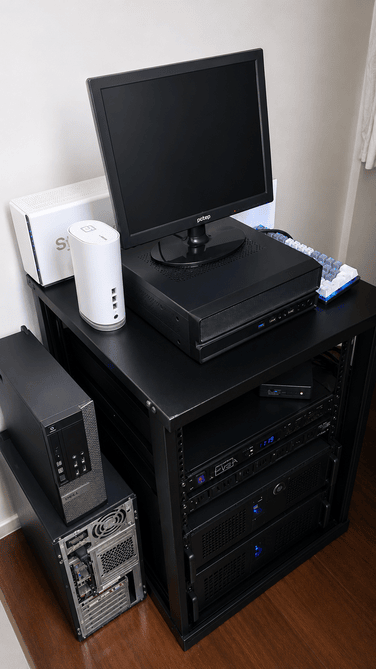
It grew by accident, one machine at a time, and a good half of it is equipment that would have been thrown out anywhere else.
Nyx runs Unraid and holds most of the storage: Ryzen 7 5800X, 128 GB of RAM, a Radeon RX 7600, and a long list of containers. Kaiser runs Proxmox on two Xeon E5-2686 v4, which adds up to 36 cores and 72 threads with about 128 GB of RAM. That is the one I point at anything that needs virtual machines and does not care how long it takes.
Then the small ones. Khan is a Beelink on Debian. Calisto is a Dell OptiPlex 9020, Core i5, 32 GB. Forsaken is a Pentium G2030 that by any sensible standard should have been retired years ago, and it is still in the rack running Debian without complaining. Routing and firewall sit on a dedicated pfSense box, Ryzen 5 4600G with 32 GB.
Under that there is a shelf of things the size of a paperback: an Intel NUC, a ZimaBoard 432, an Orange Pi 3B, an Orange Pi CM4 and an Orange Pi Zero 2W. Proxies, gateways, monitoring, anything that has to stay on and barely touches a core.
I like reusing hardware. Not every job deserves a new machine, and an old one that stays up for three years is worth more to me than a fast one I have to babysit.
Where the work happens
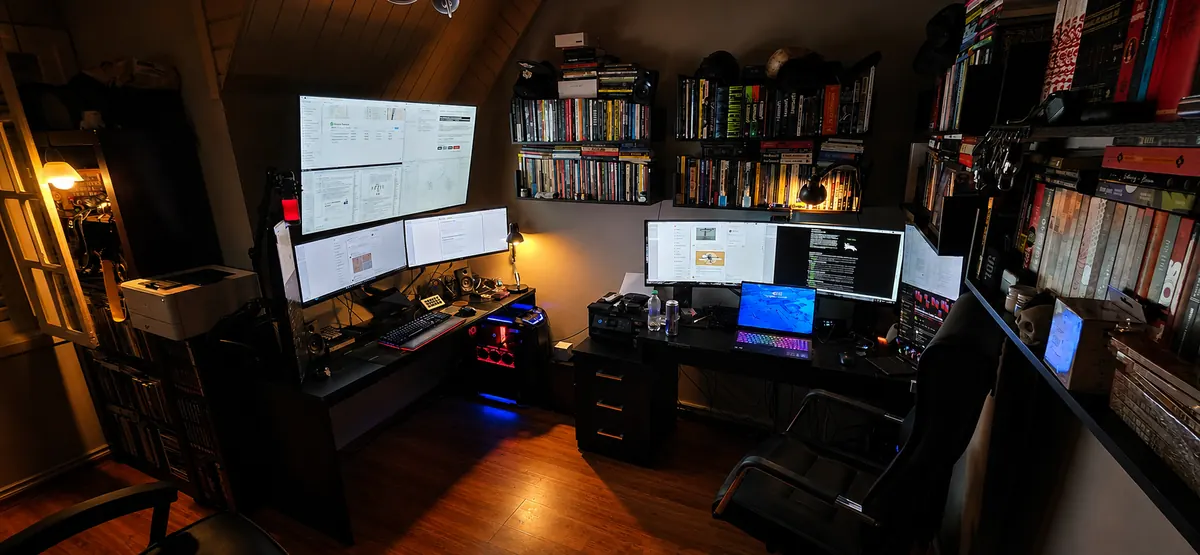
Hesse is an ASRock X870E Taichi Lite with a Ryzen 9 9950X, 16 cores and 32 threads, 192 GB of RAM and an RTX 5090. The 5 GbE Realtek card matters more than it sounds like it should: it is what moves files to my own servers fast enough that self-hosting feels ordinary instead of like a sacrifice. An LG ultrawide and a 5 TB WD Elements finish it.
Poe is an ASRock B660M Phantom Gaming 4 with a Core i9-14900K, 24 cores and 32 threads, 128 GB of Kingston across four sticks, and an RTX 5070. Its real advantage is room: roughly 9.3 TB local, about 7.7 of it still empty.
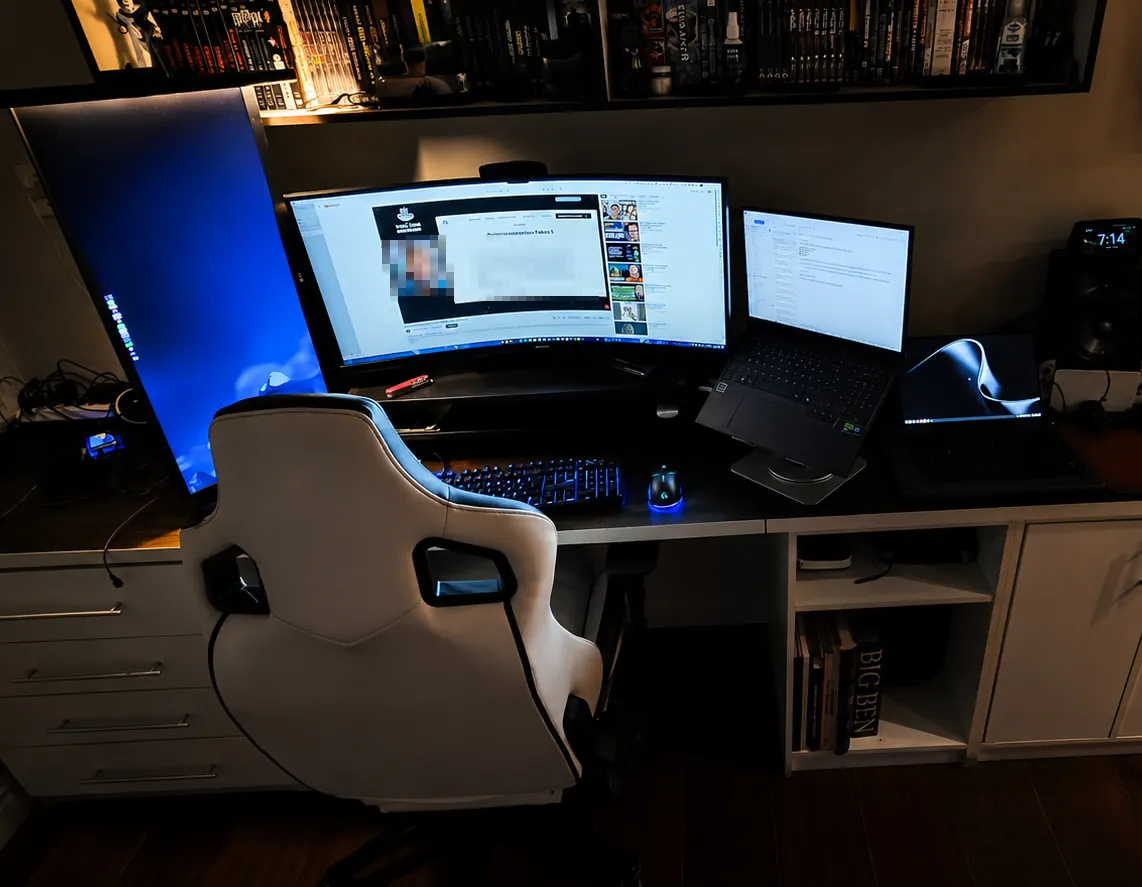
Kamerad is the workstation I can carry. An Avell Storm 570 TI on Windows 11 Pro, Core Ultra 9 275HX, 96 GB, RTX 5070 Ti Laptop, a 2 TB Kingston NVMe and 2.5 GbE wired. Enough to do the real work away from the desk.
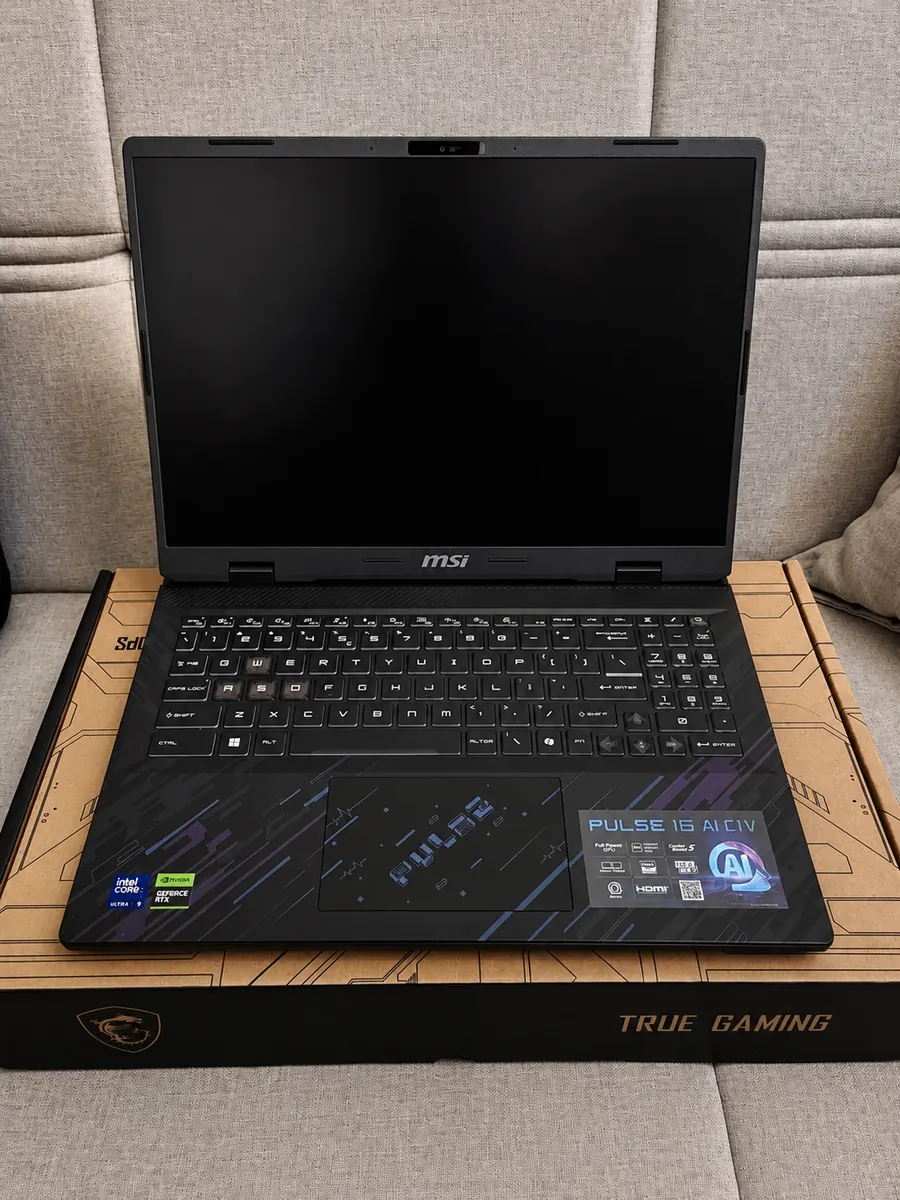
The MSI Pulse 16 AI C1V runs Fedora with 96 GB of DDR5, which is every byte the board will accept. Two slots, a 96 GB ceiling, both filled. It takes the containers and the compiles that make a thin laptop sweat.
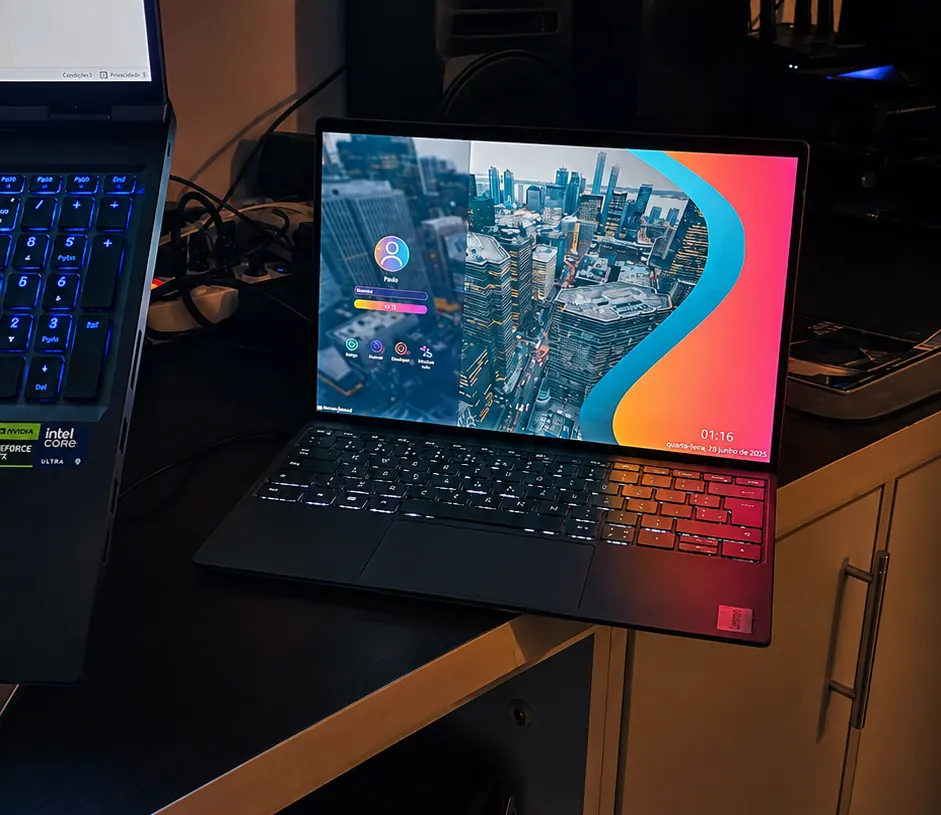
Two Dell XPS 13 from 2023, both on Fedora. These are the ones that travel. Thin enough to forget in a bag, and still a full environment for writing, development and administering the servers from a hotel. I own much faster machines and I still reach for these when I leave the house.
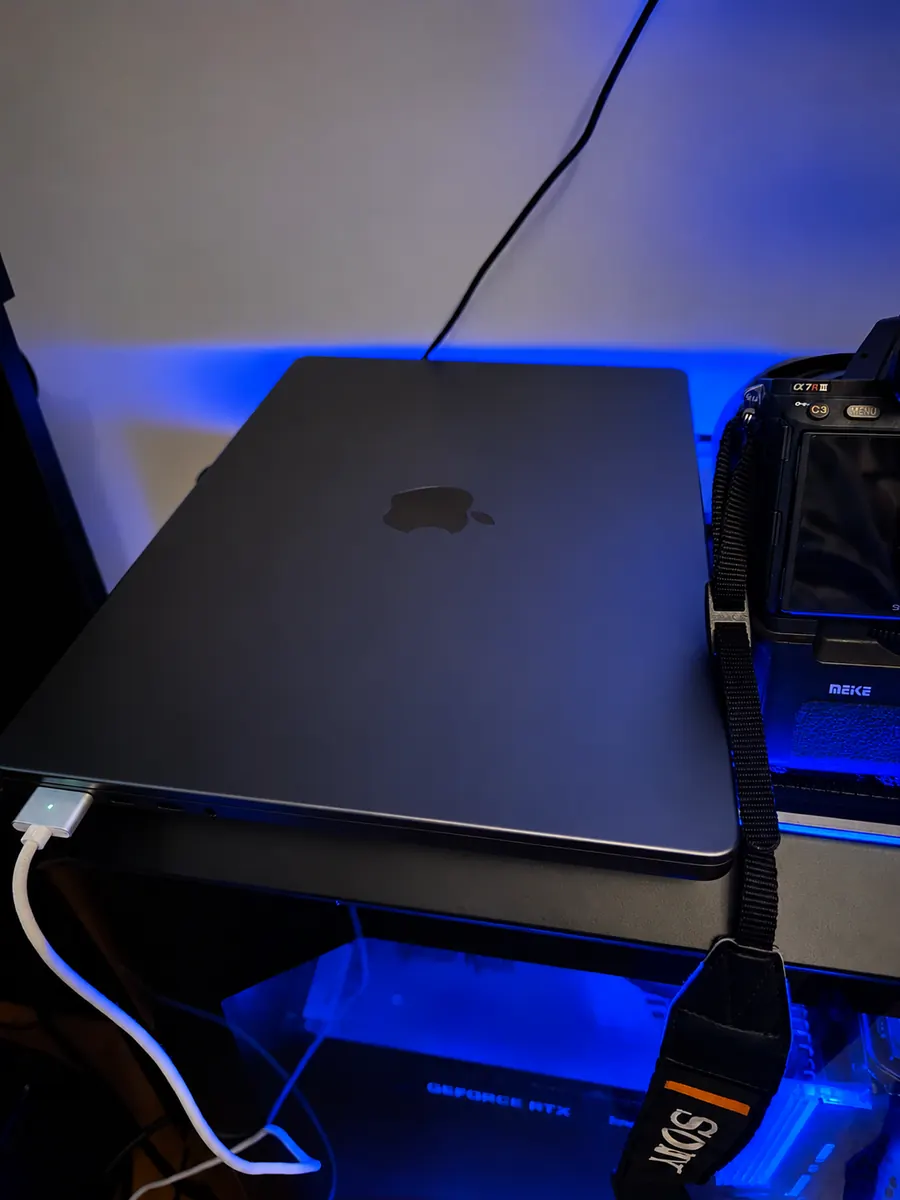
A 2025 MacBook Pro with an M5, used least of all. It is there for when something has to be tested on macOS.
POSSE was named by Tantek Çelik and lives on the IndieWeb wiki. The practice is older than the acronym, and neither one is mine.
Written by Pablo Murad. More of it at pablomurad.com.
Last revised 19 September 2026.


